Why Does God Allow Suffering?

Introduction

Few questions are as honest—or as painful—as this one:
“Why does God allow suffering?”why does god allow suffering

We ask it at hospital beds.
>
We whisper it in grief.
>
We wrestle with it in silence.

The Bible does not ignore suffering. It faces it directly—and gives us truth that is both realistic and hopeful.

A Simple, Biblical Definition

Suffering is the experience of pain, loss, or hardship in a fallen world, which God uses to accomplish His purposes and reveal His glory.

Suffering is not meaningless.
But it is also not always immediately understandable.

1. Suffering Exists Because the World Is Fallen

God did not create a world filled with pain.

  • Genesis 1:31 – “very good”
  • Genesis 3 – sin enters the world

Because of sin:

  • Death came
  • Disease came
  • Brokenness came

Romans 8:22 says creation is groaning.

👉 Suffering is not proof that God failed.
👉 It is proof that sin has corrupted what God made good.

2. Suffering Is Not Always a Direct Punishment

Many assume:
“If I suffer, I must have done something wrong.”

But Scripture corrects that:

  • Job suffered greatly—yet was righteous
  • John 9:3 – the blind man’s suffering was not due to personal sin

👉 Not all suffering is punishment.
👉 Sometimes suffering has a greater purpose we cannot yet see.

3. God Uses Suffering to Draw Us to Himself

Pain has a way of doing what comfort cannot.

  • It exposes our weakness
  • It reveals our need
  • It drives us to God

Psalm 119:71:
“It is good for me that I have been afflicted; that I might learn thy statutes.”

👉 Many people come to Christ through suffering, not despite it.

4. God Uses Suffering to Shape Our Character

Suffering is not wasted in the hands of God.

Romans 5:3–4:

  • Suffering produces perseverance
  • Perseverance produces character
  • Character produces hope

James 1:2–4:

  • Trials mature us
  • Trials refine us

👉 God is not just concerned with your comfort.
👉 He is committed to your transformation.

5. God Uses Suffering for His Glory

Some suffering exists for a purpose bigger than us.

John 11 (Lazarus):

  • Jesus delayed
  • Lazarus died
  • Then Jesus raised him

Why?
“For the glory of God.”

👉 What feels like delay…
👉 may actually be divine design.

6. Jesus Christ Entered Our Suffering

Christianity is not a distant explanation of suffering.
It is a God who stepped into it.

  • Isaiah 53 – “a man of sorrows”
  • Hebrews 4:15 – He understands our weakness

At the cross:

  • Jesus suffered unjustly
  • Jesus bore our sin
  • Jesus conquered death

👉 God does not stand far off.
👉 He suffers with us—and for us.

7. Suffering Will Not Have the Final Word

Revelation 21:4 promises:

  • No more death
  • No more sorrow
  • No more crying
  • No more pain

👉 Suffering is temporary
👉 Glory is eternal

Conclusion

Why does God allow suffering?

  • Because we live in a fallen world
  • Because He is accomplishing purposes we cannot always see
  • Because He uses suffering to draw, shape, and reveal
  • Because He entered suffering through Christ
  • Because one day, He will end it forever

Final Challenge

Suffering forces a decision:

Will you turn away from God in pain…
or toward Him in trust?

The cross proves this:

God can take the worst suffering in history…
and turn it into the greatest salvation.

He can do the same with your life.

Closing Prayer

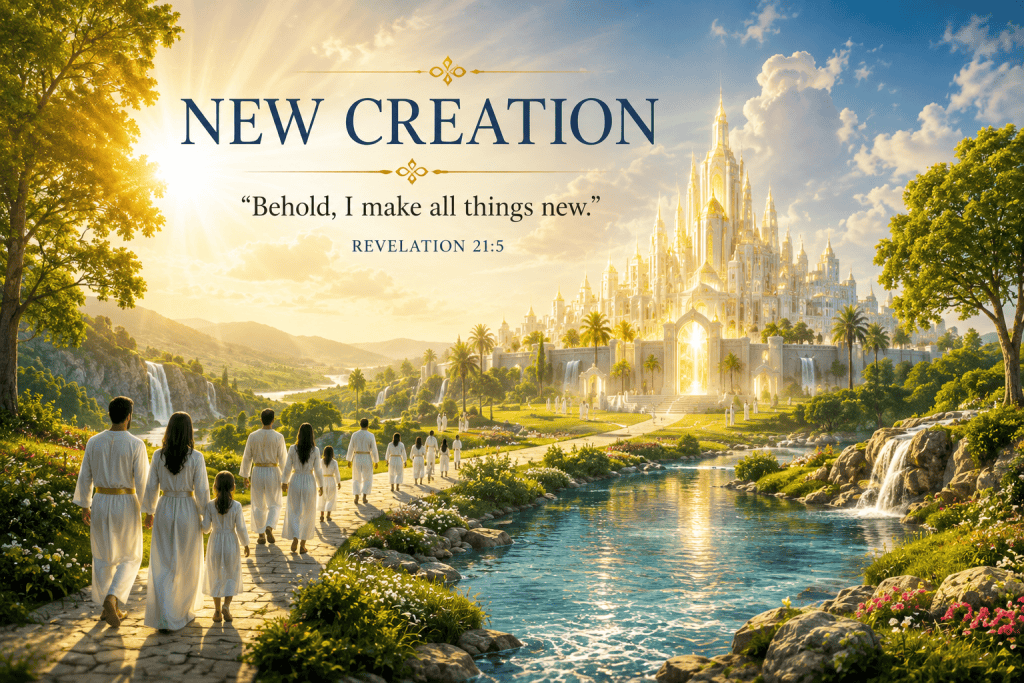
Lord, in our suffering, help us not to turn away, but to turn toward You. Give us faith to trust Your purposes, even when we do not understand. Remind us that You are near, that You care, and that one day You will make all things new. Amen.


If this article helped you, you may enjoy the Free 7-Day Eternal Life Devotional.


Download the Free 7-Day Devotional


Dr. Alan Holden has served in pastoral ministry for more than 35 years, preaching and teaching the Bible in churches across the United States. He holds a Doctor of Ministry from Luther Rice Seminary and a Master of Divinity from The Southern Baptist Theological Seminary. Through What’s It Mean?, he seeks to help readers understand the meaning of Scripture and grow in their walk with Christ. He is currently the pastor of Lake Saunders Baptist Church in Tavares, FL.
Providence: What’s It Mean?

A Simple, Biblical Explanation of Providence

Providence is God’s sovereign care, control, and guidance over all things.providence

It means that nothing happens by accident.
Nothing is outside of God’s authority.
Nothing escapes His purpose.

Providence is God actively working in the world to accomplish His will.

The Bible says:

“And we know that all things work together for good to them that love God…” (Romans 8:28)

Providence includes:

  • God sustaining creation
  • God directing events
  • God accomplishing His purposes

👉 Providence is God ruling over everything—and working through everything.

What Is Providence in the Bible?

The Bible consistently reveals God as actively involved in every detail of life.

1. God Sustains All Things

“By him all things consist.” (Colossians 1:17)

God is not distant or uninvolved.
He is continually:

  • Holding creation together
  • Sustaining life
  • Maintaining order

Every breath, every moment, every detail is upheld by Him.

2. God Governs All Events

“The Lord hath prepared his throne in the heavens; and his kingdom ruleth over all.” (Psalm 103:19)

God rules over:

  • Nations
  • Leaders
  • Circumstances
  • History itself

Nothing happens outside His sovereign authority.

3. God Works Through All Circumstances

“Ye thought evil against me; but God meant it unto good…” (Genesis 50:20)

Even in hardship, suffering, and injustice, God is at work.

Providence means:

  • God uses what is meant for harm
  • To accomplish His good purposes

This does not mean everything is good—but God is working in everything.

4. God Cares for Every Detail of Life

“Not a sparrow shall fall… without your Father.” (Matthew 10:29)

God’s providence is not only global—it is personal.

He sees:

  • Your needs
  • Your struggles
  • Your circumstances

Nothing in your life is insignificant to Him.

Providence and the Gospel

The greatest display of God’s providence is the Gospel of Jesus Christ.

The crucifixion was not an accident.
It was not a tragedy outside God’s control.

It was God’s plan.

“Him… being delivered by the determinate counsel… of God…” (Acts 2:23)

Through providence:

  • God sent His Son
  • God allowed the cross
  • God accomplished salvation

What looked like defeat was actually:
👉 God fulfilling His eternal plan of redemption.

Conclusion

Providence gives believers confidence and peace.

You are not living in a random world.
>
You are not at the mercy of chance.

>You are living under the care of a sovereign God.

So how should you respond?

  • Trust His plan
  • Rest in His control
  • Obey His Word

“Trust in the Lord with all thine heart…” (Proverbs 3:5)

👉 Providence means God is working—even when you cannot see it.


If this article helped you, you may enjoy the Free 7-Day Eternal Life Devotional.


Download the Free 7-Day Devotional


Dr. Alan Holden has served in pastoral ministry for more than 35 years, preaching and teaching the Bible in churches across the United States. He holds a Doctor of Ministry from Luther Rice Seminary and a Master of Divinity from The Southern Baptist Theological Seminary. Through What’s It Mean?, he seeks to help readers understand the meaning of Scripture and grow in their walk with Christ. He is currently the pastor of Lake Saunders Baptist Church in Tavares, FL.
Wisdom: What’s It Mean?

A Simple, Biblical Explanation of Wisdom

wisdomWisdom is the God-given ability to understand truth and apply it rightly in everyday life.

It is more than knowledge.
>
It is more than intelligence.
>
It is more than experience.

Wisdom is knowing what is right—and choosing to live it.

The Bible says:

“The fear of the Lord is the beginning of wisdom…” (Proverbs 9:10)

This means true wisdom begins with:

  • Reverence for God
  • Submission to His Word
  • Trust in His ways

👉 Wisdom is seeing life from God’s perspective and living accordingly.

What Is Wisdom in the Bible?

The Bible presents wisdom as one of the greatest treasures a believer can possess.

1. It Begins with the Fear of the Lord

“The fear of the Lord is the beginning of wisdom…” (Psalm 111:10)

Without God, there may be knowledge—but not true discernment.

Wisdom starts when we:

  • Recognize God’s authority
  • Honor His Word
  • Submit to His truth

2. It Is Found in God’s Word

“Through thy precepts I get understanding…” (Psalm 119:104)

Scripture reveals:

  • What is right
  • What is wrong
  • How to live

The more you know God’s Word, the more wisely you will live.

3. It Is Given by God

“If any of you lack wisdom, let him ask of God…” (James 1:5)

Wisdom is not earned—it is given.

God delights to give insight to those who:

  • Ask in faith
  • Seek His will
  • Depend on Him

4. It Is Seen in Daily Living

“Be ye doers of the word, and not hearers only…” (James 1:22)

Prudence is not theoretical—it is practical.

It shows up in:

  • Your decisions
  • Your speech
  • Your relationships
  • Your priorities

Wisdom and the Gospel

The greatest expression of wisdom is found in the Gospel.

The world sees the cross as foolishness.
But the Bible says:

“Christ the power of God, and the wisdom of God.” (1 Corinthians 1:24)

True wisdom understands:

  • Our sin
  • Our need for salvation
  • God’s provision through Jesus Christ

The wise person:

  • Repents
  • Believes the Gospel
  • Follows Christ

👉 To reject Christ is the ultimate foolishness.
To receive Christ is true wisdom.

Conclusion

Wisdom is not about knowing everything—it is about living rightly before God.

In a world full of confusion, wisdom:

  • Brings clarity
  • Guides decisions
  • Protects your life

So how do you grow in wisdom?

  • Fear the Lord
  • Study His Word
  • Ask Him for guidance
  • Obey what He says

“Wisdom is the principal thing; therefore get wisdom…” (Proverbs 4:7)

👉 Wisdom is the difference between living blindly—and living rightly.


If this article helped you, you may enjoy the Free 7-Day Eternal Life Devotional.


Download the Free 7-Day Devotional


Dr. Alan Holden has served in pastoral ministry for more than 35 years, preaching and teaching the Bible in churches across the United States. He holds a Doctor of Ministry from Luther Rice Seminary and a Master of Divinity from The Southern Baptist Theological Seminary. Through What’s It Mean?, he seeks to help readers understand the meaning of Scripture and grow in their walk with Christ. He is currently the pastor of Lake Saunders Baptist Church in Tavares, FL.
Spiritual Warfare: What Does It Mean?

A Simple, Biblical Explanation of Spiritual Warfare

Spiritual warfare is the ongoing, invisible battle between truth and deception, righteousness and sin, God and the forces of evil.spiritual warfare

It is not fought with physical weapons.
It is not seen with natural eyes.
But it is very real.

The Bible says:

“For we wrestle not against flesh and blood, but against… spiritual wickedness in high places.” (Ephesians 6:12)

Spiritual warfare is not about fighting people—it is about standing against the enemy who opposes God’s truth and God’s people.

👉 Spiritual warfare is the believer’s battle against sin, deception, and the schemes of the devil.

What Is Spiritual Warfare in the Bible?

The Bible gives us a clear understanding of spiritual warfare and how we are to engage in it.

1. Spiritual Warfare Has a Real Enemy

“Your adversary the devil, as a roaring lion, walketh about, seeking whom he may devour.” (1 Peter 5:8)

The enemy is:

  • Real
  • Active
  • Deceptive

Satan’s strategies include:

  • Lies
  • Temptation
  • Accusation
  • Distraction

2. The Battle Is Fought in the Mind and Heart

“Casting down imaginations… and bringing into captivity every thought…” (2 Corinthians 10:5)

Spiritual warfare often takes place through:

  • Thoughts
  • Beliefs
  • Desires

The enemy attacks:

  • What you think
  • What you believe
  • How you respond

3. Believers Are Given Spiritual Armor

“Put on the whole armour of God…” (Ephesians 6:11)

God has not left us defenseless. He has equipped us with:

4. Victory Comes Through Christ, Not Ourselves

“Thanks be to God, which giveth us the victory through our Lord Jesus Christ.” (1 Corinthians 15:57)

We do not fight for victory—we fight from victory.

Jesus has already:

  • Defeated sin
  • Conquered death
  • Overcome Satan

Spiritual Warfare and the Gospel

Spiritual warfare is ultimately about the Gospel.

Before salvation, we are:

  • under sin
  • blinded by deception
  • separated from God

Through the Gospel, we are:

  • forgiven
  • set free
  • transferred into God’s kingdom

“Who hath delivered us from the power of darkness…” (Colossians 1:13)

The enemy fights to:

  • Keep people from the Gospel
  • Distort the Gospel
  • Weaken believers

But the Gospel declares:

👉 Jesus Christ has already won the war.

Conclusion

Spiritual warfare is real—but so is God’s power.

You are not called to live in fear.
You are called to stand in truth.

So how do you stand strong?

  • Know the Word of God
  • Walk in obedience
  • Pray continually
  • Put on the armor of God daily

“Resist the devil, and he will flee from you.” (James 4:7)

👉 Spiritual warfare is not about panic—it is about standing firm in Christ.


If this article helped you, you may enjoy the Free 7-Day Eternal Life Devotional.


Download the Free 7-Day Devotional


Dr. Alan Holden has served in pastoral ministry for more than 35 years, preaching and teaching the Bible in churches across the United States. He holds a Doctor of Ministry from Luther Rice Seminary and a Master of Divinity from The Southern Baptist Theological Seminary. Through What’s It Mean?, he seeks to help readers understand the meaning of Scripture and grow in their walk with Christ. He is currently the pastor of Lake Saunders Baptist Church in Tavares, FL.
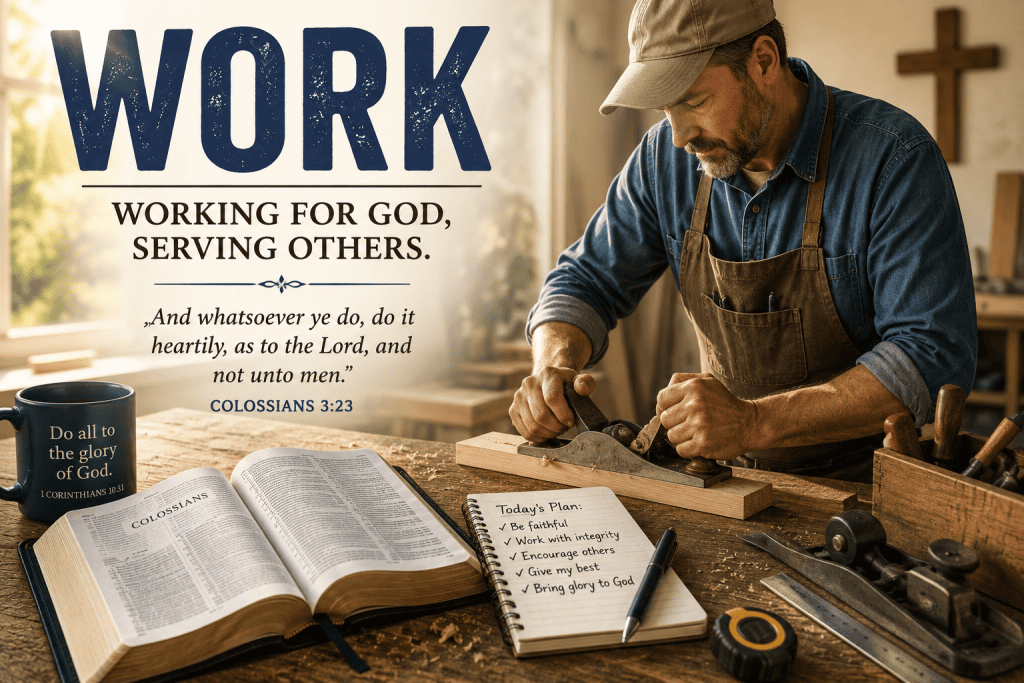
Discernment: What Does the Bible Say About Discernment?

Discernment is the God-given ability to recognize truth from error, right from wrong, and what is of God from what is not.

In a world filled with confusion, deception, and competing voices, discernment is not optional—it is essential.

It is not suspicion, criticism, or human opinion.

discernment

It is spiritual understanding guided by the Word of God and the Holy Spirit.

The Bible says:

“Beloved, believe not every spirit, but try the spirits whether they are of God…” (1 John 4:1)

Discernment asks:

  • Is this true according to Scripture?
  • Does this align with the character of God?
  • Is this leading me toward Christ or away from Him?

Simply put:

👉 Discernment is seeing things as God sees them.

What Is Discernment in the Bible?

The Bible presents discernment as both a command and a mark of spiritual maturity.

1. Discernment Distinguishes Truth from Error

“For the time will come when they will not endure sound doctrine…” (2 Timothy 4:3)

It protects us from:

  • False teaching
  • Deception
  • Spiritual compromise

Not everything labeled “Christian” is truly from Christ.

2. Discernment Is Rooted in God’s Word

“Thy word is a lamp unto my feet, and a light unto my path.” (Psalm 119:105)

We do not discern truth by feelings.
We discern truth by Scripture.

The more you know the Word, the easier it is to recognize error.

3. Discernment Is Developed Through Spiritual Maturity

“But strong meat belongeth to them that are of full age… to discern both good and evil.” (Hebrews 5:14)

Discernment grows through:

It is not automatic—it is cultivated.

4. Discernment Requires the Holy Spirit

“He will guide you into all truth…” (John 16:13)

The Holy Spirit:

  • Illuminates Scripture
  • Warns against deception
  • Leads into truth

Without Him, discernment becomes mere human reasoning.

Discernment and the Gospel

Discernment is crucial to understanding and preserving the Gospel.

The Gospel is simple:

  • All have sinned (Romans 3:23)
  • Sin brings judgment (Romans 6:23)
  • Jesus Christ died and rose again to save sinners
  • Salvation is by grace through faith—not works

Yet many distort the Gospel by adding:

  • Human effort
  • Religious rituals
  • Personal merit

Discernment recognizes the difference between:

  • The true Gospel → Christ alone saves
  • A false gospel → Man contributes to salvation

Paul warned:

“Though we… preach any other gospel… let him be accursed.” (Galatians 1:8)

It keeps the message of salvation pure.

Conclusion

Discernment is not a luxury for a few—it is a necessity for every believer.

In a world full of deception, discernment:

  • Guards your faith
  • Guides your decisions
  • Protects your soul

So how do you grow in discernment?

  • Stay in the Word
  • Walk in the Spirit
  • Test everything by Scripture

“Prove all things; hold fast that which is good.” (1 Thessalonians 5:21)

👉  It is the difference between being led by truth—or being led astray.


If this article helped you, you may enjoy the Free 7-Day Eternal Life Devotional.


Download the Free 7-Day Devotional


Dr. Alan Holden has served in pastoral ministry for more than 35 years, preaching and teaching the Bible in churches across the United States. He holds a Doctor of Ministry from Luther Rice Seminary and a Master of Divinity from The Southern Baptist Theological Seminary. Through What’s It Mean?, he seeks to help readers understand the meaning of Scripture and grow in their walk with Christ. He is currently the pastor of Lake Saunders Baptist Church in Tavares, FL.
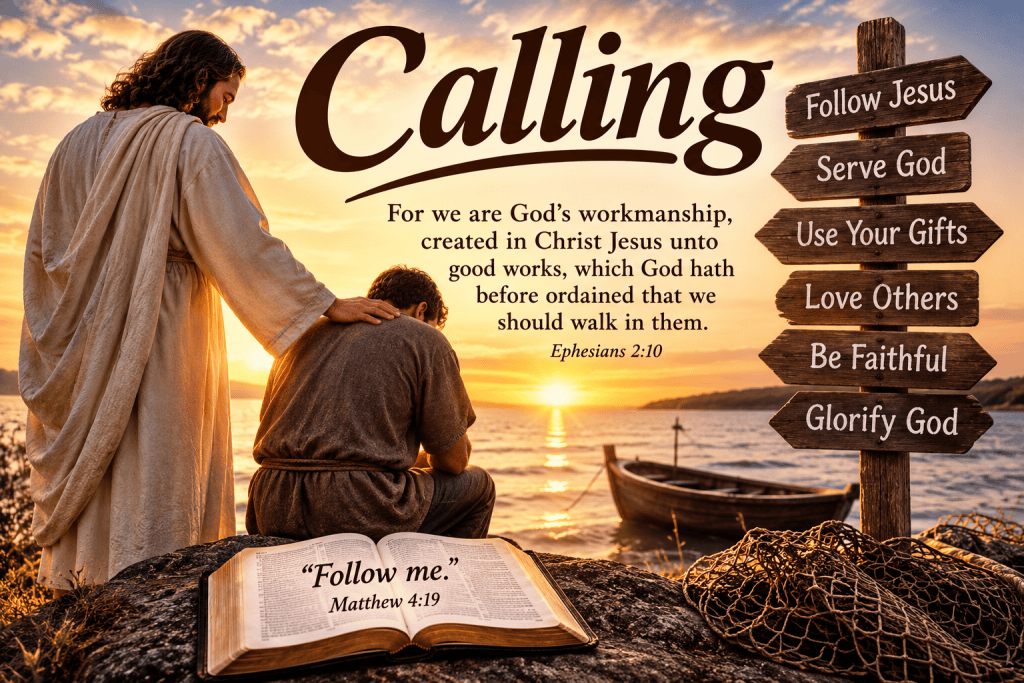
What Is Truth in the Bible?

A Simple, Biblical Explanation of Truth

What is truth in the Bible? We live in a world that questions truth.

Some say:

  • “Your truth is not my truth”
  • “Truth is relative”
  • “Truth changes over time”

But the Bible presents truth very differently.

Truth is that which is real, absolute, and consistent with the nature and Word of God.

Truth does not change.
>
Truth is not created by opinion.
>
Truth is rooted in God Himself.

What Is Truth in the Bible?

The Bible gives us a clear and powerful understanding of truth:what is truth in the bible

1. God Is the Source of Truth

👉 Numbers 23:19 — God does not lie

👉 Titus 1:2 — God cannot lie

Truth originates in God because:

  • He is perfect
  • He is unchanging
  • He is faithful

2. God’s Word Is Truth

👉 John 17:17 — “Thy word is truth”

The Bible is not one opinion among many—it is the standard of truth.

It reveals:

  • What is right
  • What is wrong
  • What is real

3. Jesus Christ Is the Truth

👉 John 14:6 — “I am the way, the truth, and the life”

Truth is not just a concept—it is a person.

Jesus embodies truth perfectly.

4. Truth Confronts Error

👉 Isaiah 5:20 — Calling evil good and good evil

Truth exposes:

  • Lies
  • Deception
  • False beliefs

5. Truth Sets People Free

👉 John 8:32 — “The truth shall make you free”

Truth:

  • Breaks deception
  • Reveals reality
  • Leads to freedom

6. Truth Must Be Received and Obeyed

👉 James 1:22 — Be doers of the word

It is not just to be known—it is to be lived.

Truth and the Gospel

Truth brings us face-to-face with reality:

👉 We are sinners
👉 God is holy
👉 Judgment is real

But the greatest truth is this:

👉 Romans 5:8 — Christ died for us

The gospel is not just good news—it is true news.

What Christ Reveals About Truth:

  • The truth about God
  • The truth about sin
  • The truth about salvation

Because of Christ:

  • We are no longer deceived
  • We can know the truth
  • We can walk in the truth

Conclusion

Truth is not subjective—it is anchored in God.

It is:

  • Unchanging
  • Reliable
  • Life-giving

👉 Truth shows us reality
👉 The gospel shows us redemption

🔥 CALL TO ACTION (WIM STYLE)

  • Do you believe truth is absolute—or does it change?
  • What is one truth from Scripture that has changed your life?

👇 Share your thoughts below.


If this article helped you, you may enjoy the Free 7-Day Eternal Life Devotional.


Download the Free 7-Day Devotional


Dr. Alan Holden has served in pastoral ministry for more than 35 years, preaching and teaching the Bible in churches across the United States. He holds a Doctor of Ministry from Luther Rice Seminary and a Master of Divinity from The Southern Baptist Theological Seminary. Through What’s It Mean?, he seeks to help readers understand the meaning of Scripture and grow in their walk with Christ. He is currently the pastor of Lake Saunders Baptist Church in Tavares, FL.

What Is Authority in the Bible?

A Simple, Biblical Explanation of Authority

Authority is a word many people resist.authority

We value independence.
>
We prefer autonomy.
>
We want to decide what is right for ourselves.

But the Bible teaches a different reality:

Authority is the God-given right to rule, command, and determine what is true and right.

At its core, authority answers one question:

👉 Who has the final say?

What Is Authority in the Bible?

The Bible reveals several foundational truths about authority:

1. God Is the Ultimate Authority

👉 Psalm 103:19 — “His kingdom ruleth over all”

All authority begins with God because:

  • He created all things
  • He sustains all things
  • He rules over all things

No authority exists above Him.

2. God Has Revealed His Authority Through Scripture

👉 2 Timothy 3:16 — Scripture is inspired by God

The Bible is not just helpful—it is authoritative.

It tells us:

  • What is true
  • What is right
  • How to live

3. Jesus Christ Has All Authority

👉 Matthew 28:18 — “All power is given unto me in heaven and in earth”

Jesus is:

  • Lord
  • King
  • Final authority over all creation

To reject Christ is to reject authority itself.

4. God Delegates Authority

👉 Romans 13:1 — Authorities are ordained by God

God establishes authority in:

  • Government
  • The church
  • The home

All human authority is:

  • Limited
  • Accountable to God

5. Authority Requires Submission

👉 James 4:7 — “Submit yourselves therefore to God”

Submission is not weakness—it is alignment with truth.

To resist God’s authority is to walk in rebellion.

6. Authority and Truth Are Connected

Authority determines truth—not opinion.

👉 John 17:17 — “Thy word is truth”

Without authority:

  • Truth becomes subjective
  • Everyone becomes their own authority

Authority and the Gospel

Authority brings us face-to-face with a reality:

👉 We are not in charge—God is.

And that creates a problem…

Because we have all resisted His authority.

👉 Romans 3:23 — All have sinned

Sin is ultimately:
👉 Rebellion against God’s authority

But the gospel provides the solution.

👉 Philippians 2:8 — Christ submitted to the Father

What Christ Did Regarding Authority:

  • Lived in perfect submission
  • Obeyed where we rebelled
  • Took the judgment for our disobedience

Because of Christ:

  • We are forgiven for rebellion
  • We are restored under God’s rule
  • We can joyfully submit to Him

Conclusion

Authority is not something to fear—it is something to trust.

Because God is:

  • Good
  • Just
  • Perfect

👉 Authority answers who is right
👉 The gospel restores us under God’s authority

🔥 CALL TO ACTION

  • Who or what has the most authority in your life right now?
  • Do you see God’s authority as restrictive—or freeing?

👇 Share your thoughts below.


If this article helped you, you may enjoy the Free 7-Day Eternal Life Devotional.


Download the Free 7-Day Devotional


Dr. Alan Holden has served in pastoral ministry for more than 35 years, preaching and teaching the Bible in churches across the United States. He holds a Doctor of Ministry from Luther Rice Seminary and a Master of Divinity from The Southern Baptist Theological Seminary. Through What’s It Mean?, he seeks to help readers understand the meaning of Scripture and grow in their walk with Christ. He is currently the pastor of Lake Saunders Baptist Church in Tavares, FL.
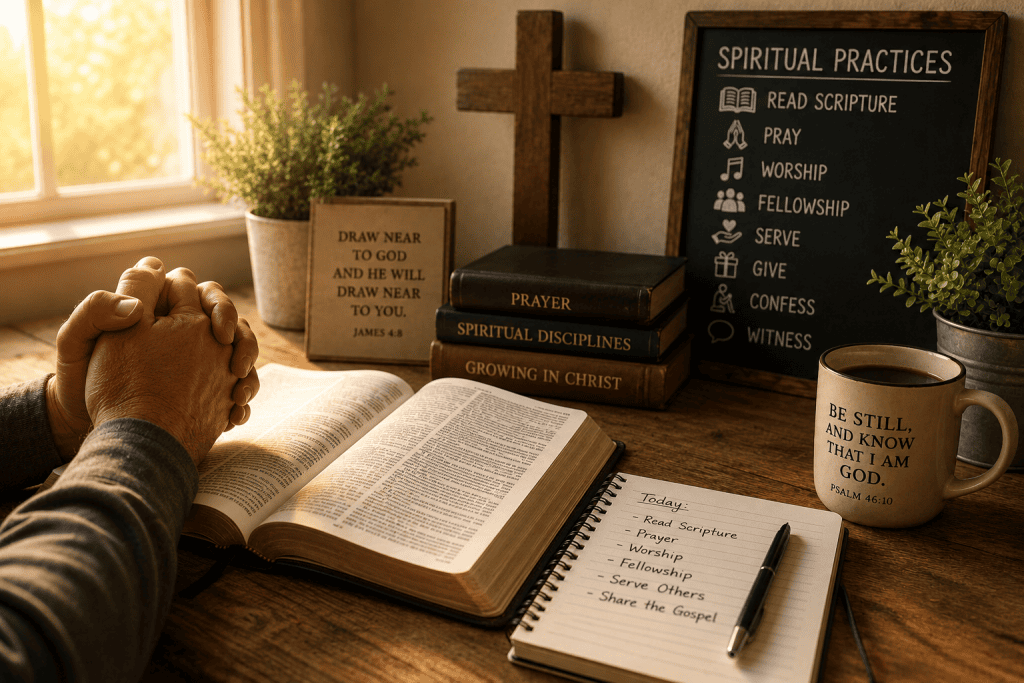
What Is Scripture in the Bible? A Simple, Biblical Explanation

A Simple, Biblical Explanation of Scripture

what is scripture in the bible

What is scripture in the Bible, and why is it important? If prayer is how we speak to God, then Scripture is how God speaks to us. 

Many people see the Bible as:

  • A religious book
  • A collection of stories
  • A moral guide

But the Bible presents itself as something far greater.

Scripture is the inspired Word of God, given to reveal His truth, His will, and His plan of salvation.

It is not merely human words—it is divine revelation.

What Is Scripture in the Bible?

The Bible teaches several essential truths about Scripture:

1. Scripture Is Inspired by God

👉 2 Timothy 3:16 — “All scripture is given by inspiration of God”

“Inspiration” means:

  • God breathed it out
  • God is the ultimate source

Human authors wrote it—but God authored it.

2. Scripture Is Truth

👉 John 17:17 — “Thy word is truth”

Scripture is:

  • Reliable
  • Authoritative
  • Without error in what it teaches

It does not just contain truth—it is truth.

3. Scripture Reveals God

👉 Hebrews 1:1–2 — God has spoken

Through Scripture, we learn:

  • Who God is
  • What God is like
  • What God requires

4. Scripture Shows Us Our Need

👉 Romans 3:20 — By the law is the knowledge of sin

The Word of God:

  • Convicts
  • Exposes
  • Reveals our condition

5. Scripture Guides Our Lives

👉 Psalm 119:105 — “Thy word is a lamp unto my feet”

It provides:

  • Direction
  • Wisdom
  • Clarity

6. Scripture Is Living and Powerful

👉 Hebrews 4:12 — “The word of God is quick, and powerful…”

It is not static—it is active.

It:

  • Penetrates the heart
  • Discerns thoughts
  • Transforms lives

Scripture and the Gospel

The ultimate purpose of Scripture is not just information—it is revelation.

👉 John 5:39 — “They are they which testify of me”

The Bible points to Jesus Christ.

👉 2 Timothy 3:15 — The Scriptures make us wise unto salvation

What Scripture Does in the Gospel:

  • Reveals our sin
  • Points us to Christ
  • Explains salvation

Without Scripture:

  • We would not know the gospel
  • We would not understand salvation

Because of Scripture:

  • We know the truth
  • We hear God’s voice
  • We understand the way of life

Conclusion

Scripture is not just a book—it is God’s Word.

It is:

  • True
  • Powerful
  • Necessary

👉 Prayer is how you speak to God
👉 Scripture is how God speaks to you

🔥 CALL TO ACTION

  • How often do you spend time in Scripture?
  • What passage has impacted your life the most?

👇 Share below.


If this article helped you, you may enjoy the Free 7-Day Eternal Life Devotional.


Download the Free 7-Day Devotional


Dr. Alan Holden has served in pastoral ministry for more than 35 years, preaching and teaching the Bible in churches across the United States. He holds a Doctor of Ministry from Luther Rice Seminary and a Master of Divinity from The Southern Baptist Theological Seminary. Through What’s It Mean?, he seeks to help readers understand the meaning of Scripture and grow in their walk with Christ. He is currently the pastor of Lake Saunders Baptist Church in Tavares, FL.
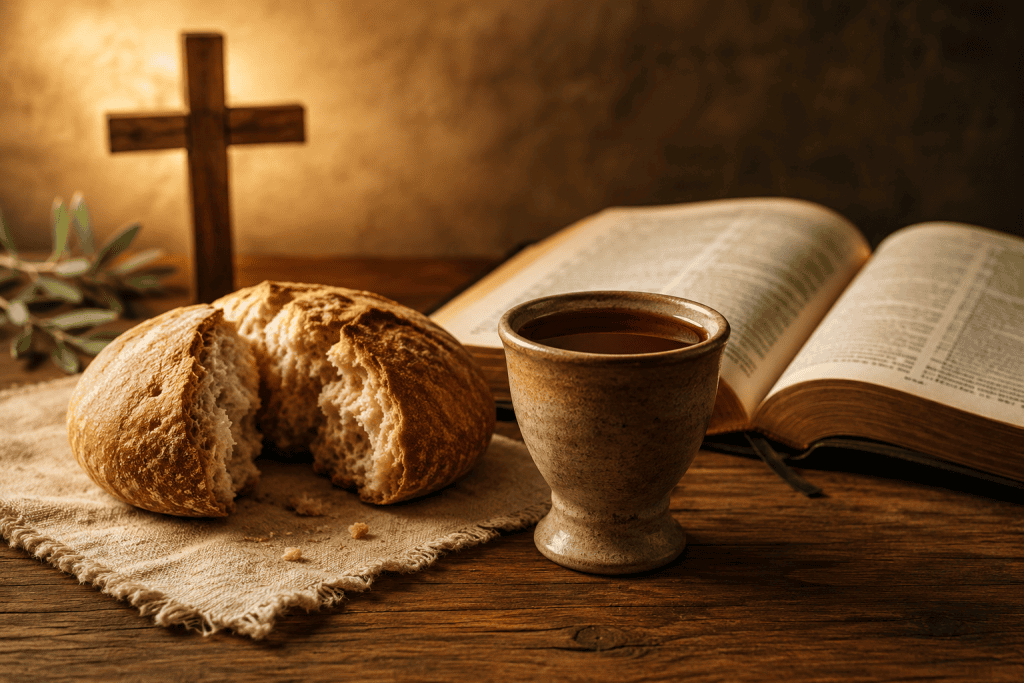
What Is Prayer in the Bible?

A Simple, Biblical Explanation of Prayerprayer

Most people think of prayer as:

  • Asking God for things
  • Saying words in a quiet moment
  • A religious routine

But prayer is much more than that.

Prayer is direct communication with God—speaking to Him, listening to Him, and relating to Him personally.

It is not a ritual—it is a relationship.

What Is Prayer in the Bible?

The Bible reveals several key truths about prayer:

1. Prayer Is Communication with God

👉 Jeremiah 33:3 — “Call unto me, and I will answer thee”

Prayer is not one-sided.
God invites us to speak—and promises to respond.

2. Prayer Is Based on Relationship

👉 Matthew 6:9 — “Our Father…”

Prayer is rooted in relationship, not performance.

Believers approach God as:

  • Father
  • Savior
  • Lord

3. Prayer Requires Faith

👉 Hebrews 11:6 — “He that cometh to God must believe…”

Prayer is not just words—it is trust in who God is.

4. Prayer Involves Dependence

👉 Philippians 4:6 — “Be careful for nothing; but in every thing… let your requests be made known unto God”

Prayer acknowledges:

  • We cannot do life on our own
  • We need God’s help

5. Prayer Aligns Us with God’s Will

👉 1 John 5:14 — “If we ask any thing according to his will…”

Prayer is not about changing God—
It is about aligning ourselves with Him.

6. Prayer Is Persistent

👉 Luke 18:1 — Men ought always to pray, and not to faint

It’s not a one-time act—it is a continual lifestyle.

Prayer and the Gospel

Prayer is only possible because of the gospel.

Without Christ:

  • We are separated from God
  • We have no access to Him

But through Jesus:

👉 Hebrews 4:16 — “Let us therefore come boldly unto the throne of grace”

👉 John 14:6 — Jesus is the way to the Father

What Christ Did for Our Prayer Life:

  • Opened access to God
  • Removed the barrier of sin
  • Became our mediator

Because of Christ:

  • We can approach God boldly
  • We are heard
  • We are received

Conclusion

Prayer is not complicated—but it is powerful.

It is not about perfect words—it is about a real relationship.

👉 It’s how you talk to God
👉 It’s how you walk with God

🔥 CALL TO ACTION

  • What is the hardest part about prayer for you?
  • Do you see prayer as a duty—or a relationship?

👇 Share your thoughts below.


If this article helped you, you may enjoy the Free 7-Day Eternal Life Devotional.


Download the Free 7-Day Devotional


Dr. Alan Holden has served in pastoral ministry for more than 35 years, preaching and teaching the Bible in churches across the United States. He holds a Doctor of Ministry from Luther Rice Seminary and a Master of Divinity from The Southern Baptist Theological Seminary. Through What’s It Mean?, he seeks to help readers understand the meaning of Scripture and grow in their walk with Christ. He is currently the pastor of Lake Saunders Baptist Church in Tavares, FL.

What Is the Church in the Bible? A Simple, Biblical Explanation

A Simple, Biblical Explanation of the Church

When many people hear the word “church,” they think of a building or a denomination. But what is the church in the Bible?what is the church in the bible

The Bible presents something far greater.

The church is not a building—it is a people.

The word “church” comes from a term meaning “called out assembly.”

The church is:

  • A spiritual body
  • A redeemed community
  • A living organism, not just an organization

What Is the Church in the Bible?

The Bible describes the church in several powerful ways:

1. The Church Is the Body of Christ

👉 1 Corinthians 12:27 — “Ye are the body of Christ”

Christ is the head, and believers are the members.

This means:

  • We are connected to Christ
  • We are connected to one another
  • Every member has a purpose

2. The Church Is a Spiritual Family

👉 Ephesians 2:19 — “Fellow citizens… of the household of God”

The church is not just attendance—it is belonging.

We are:

  • Brothers and sisters in Christ
  • United by the Spirit
  • Part of one family

3. The Church Is a Holy Temple

👉 1 Corinthians 3:16 — “Ye are the temple of God”

God does not dwell in buildings—He dwells in His people.

The church is:

  • A place of God’s presence
  • A dwelling of the Spirit

4. The Church Is the Bride of Christ

👉 Ephesians 5:25 — Christ loved the church

The church is deeply loved and set apart for Christ.

This speaks of:

  • Relationship
  • Devotion
  • Future glory

5. The Church Has a Mission

👉 Matthew 28:19–20 — The Great Commission

The church exists to:

  • Make disciples
  • Teach the Word
  • Proclaim the gospel

The church is not called to sit—it is called to go.

6. The Church Gathers and Grows

👉 Hebrews 10:25 — Not forsaking the assembling

The early church:

  • Gathered regularly
  • Worshiped together
  • Grew in truth and unity

The Church and the Gospel

The church exists because of the gospel.

👉 Acts 2:47 — The Lord added to the church

People do not join the church to be saved—
They are added to the church because they are saved.

What Christ Did for the Church:

  • Purchased it with His blood — Acts 20:28
  • Builds it — Matthew 16:18
  • Sustains it

Because of Christ:

  • The church is alive
  • The church is growing
  • The church will endure

Conclusion

The church is not optional—it is essential.

It is God’s design for:

  • Worship
  • Growth
  • Fellowship
  • Mission

👉 The church is not a place you go
👉 It is a people you belong to

🔥 CALL TO ACTION

  • What does “church” mean to you—a place or a people?
  • How has being part of a church impacted your life?

👇 Share your thoughts below.


If this article helped you, you may enjoy the Free 7-Day Eternal Life Devotional.


Download the Free 7-Day Devotional


Dr. Alan Holden has served in pastoral ministry for more than 35 years, preaching and teaching the Bible in churches across the United States. He holds a Doctor of Ministry from Luther Rice Seminary and a Master of Divinity from The Southern Baptist Theological Seminary. Through What’s It Mean?, he seeks to help readers understand the meaning of Scripture and grow in their walk with Christ. He is currently the pastor of Lake Saunders Baptist Church in Tavares, FL.