

The Meaning of the Crucifixion
Introduction
Today we stand at the most solemn courtroom in history—not a courtroom of marble and pillars, but a place of injustice, cruelty, and eternal consequence. The sentence passed against Jesus Christ was not merely a legal verdict; it was the turning point of redemption—marked forever by the crucifixion. Heaven watched. Hell trembled. God offered mercy to humanity through the suffering of the innocent Son of God.
I. The Sentence Passed Against Jesus
A. Barabbas Released — Christ Delivered Up
Barabbas, a known criminal, a rebel, and a murderer, was released. Jesus—the sinless Son of God—was condemned. This was not accidental; it was substitution. Barabbas represents us. Guilty humanity walked free while Christ was delivered up.
Christ was delivered so that we might be delivered. The innocent for the guilty. The righteous for the unrighteous. Justice satisfied, mercy extended.
B. Jesus Is Scourged by Roman Soldiers
The Roman scourging was brutal beyond imagination. Jewish law limited lashes to forty minus one, but Roman soldiers had no such restraint. Flesh was torn, bone sometimes exposed, blood poured freely.
Yet Scripture had spoken centuries earlier:
-
Psalm 129:3 – “The plowers plowed upon my back.”
-
Isaiah 50:6 – “I gave my back to the smiters.”
-
Isaiah 53:5 – “By His stripes we are healed.”
This was not random cruelty. This was prophecy fulfilled. The suffering of Christ was written into the pages of eternity before the world began.
C. Delivered to Be Crucified
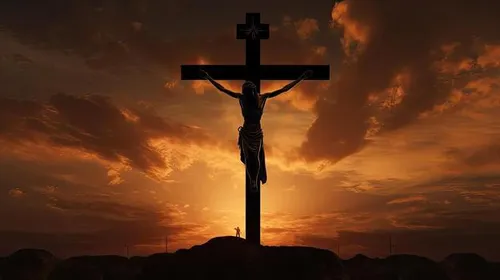
The blood of the beating was not sufficient to accomplish redemption. The scourging revealed cruelty; the cross revealed atonement. Only the blood of the cross made peace between God and man.
Colossians 1:20 declares that peace came “through the blood of His cross.”
Not merely blood shed—but blood sacrificed. Not pain alone—but substitutionary death.
II. The Barbarous Treatment of Jesus
Roman law often delayed execution for ten days after sentencing. Jesus was not granted ten minutes. While preparations for His execution were being made, He was beaten, mocked, and humiliated.
A. The Place — The Common Hall
This was the house of justice turned into a chamber of injustice. The Governor’s hall became the theater of cruelty.
B. What the Soldiers Did
1. They Stripped Him
Shame entered the world through sin in Genesis 3:7. When Christ came to bear sin, He bore shame. The One clothed in heavenly glory was stripped naked for us.
2. The Scarlet Robe
Our sins are described as scarlet and crimson. When they draped Him in scarlet, they unknowingly portrayed truth—He was bearing our sins in His own body.
3. The Crown of Thorns
-
Thorns came because of sin (Genesis 3:18).
-
Christ became a curse for us.
-
Like Abraham’s ram caught in a thicket (Genesis 22:13), Jesus was our substitute.
-
A crown of thorns declared His kingdom was not of this world.
4. A Reed in His Hand – a mock scepter.
5. Mocked Royalty – “Hail, King of the Jews!”
6. They Spat Upon Him – Instead of kissing the Son, they spat on Him.
7. They Beat Him with the Reed – The mock scepter became an instrument of violence.
This was humanity at its worst—and Christ at His most loving.
III. The Conveyance to Execution
Jesus was led away “as a lamb to the slaughter.” He did not resistor call heavenly angels. He walked willingly.
Roman soldiers compelled Simon of Cyrene to carry the cross—not out of compassion, but to hasten the execution. Even in this, Christ shows us the cost of discipleship: “Take up your cross and follow Me.”
Charles Spurgeon once reflected that when we see Christ shamed, we see what sin deserves—and we also see how deeply Christ loved us.
IV. The Place of Crucifixion — Golgotha
Golgotha, “the place of the skull,” called Calvary in Latin, lay near a busy road to Jerusalem. It was public, humiliating, and intentional. Executions were meant as warnings.
But what Rome intended as intimidation, God used as invitation.
V. The Malicious Treatment of Jesus
A. The Bitter Drink
They offered wine mixed with vinegar and gall—sour and bitter.
-
It symbolized the bitterness of sin (Deuteronomy 29:18).
-
It symbolized the wrath of God against sin.
-
Jesus tasted it—He took the bitterness.
-
Yet He refused the opiate—He would not numb the pain. Redemption would not be dulled.
B. Dividing His Garments
Psalm 22:18 foretold it precisely.
Not true of David—true of David’s greater Son.
C. They Watched Him
They guarded Him lest anyone rescue Him. Ironically, they were witnessing the rescue of the world.
D. The Title Over His Head
His “crime”: King of the Jews.
The charge was mockery. The truth was majesty.
E. Crucified Between Two Thieves
Isaiah 53:12 declared He would be numbered with transgressors. Between two thieves, He appeared the worst of criminals—yet He was the Savior of sinners.
F. Mocked and Reviled
They hurled insults, wagged their heads, and ridiculed Him. The One who formed their tongues endured their blasphemies.
VI. The Frowns of Heaven — Darkness
At His birth, extraordinary light filled the sky. At His death, extraordinary darkness covered the land.
A pagan observer once remarked that either the God of nature was suffering or the world itself was collapsing. In truth, the Creator was bearing creation’s sin.
Jesus cried, “My God, My God, why have You forsaken Me?” quoting Psalm 22:1. He experienced the separation sin causes (Isaiah 59:2). As Spurgeon said, Christ was treated as a sinner though He never sinned.
VII. The Death of Jesus
A. A Loud Voice
His death was not a whisper—it was a proclamation. Redemption was announced to heaven and earth.
B. He Yielded Up His Spirit
He was not overpowered; He surrendered. His soul separated from His body. He truly died.
C. The Payment of Our Sin Debt
His death was not symbolic—it was substitutionary. By faith in His sacrifice, our debt is paid, our guilt removed, and our peace secured.
Conclusion
The crucifixion of Jesus became the pardon offered to us. What looked like defeat was divine victory. The cross was not the end—it was the opening of the door to salvation.
When we behold Christ scourged, mocked, and crucified, we see two truths at once:
the horror of sin and the depth of God’s love.
He was condemned so we could be forgiven.
>He was wounded so we could be healed.
>He died so we could live.
The sentence passed against Jesus becomes our pardon. To explore the full message of salvation, read The Gospel: What’s It Mean?