

Salvation: What’s It Mean?
Salvation is the heart of the Christian message, yet many people struggle to explain what it actually means. Some think of it as becoming a better person. Others view it as escaping hell or earning a place in heaven. While salvation includes rescue from judgment, the Bible presents salvation as something far deeper and more comprehensive.
To understand Christianity rightly, we must understand it biblically.
What Is Salvation in the Bible?
In Scripture, salvation means deliverance by God from sin, judgment, and eternal death. This deliverance is not self-improvement; it is divine rescue. The Bible consistently describes humanity as helpless to save itself and dependent entirely on God’s saving work.
Salvation includes:
- Forgiveness of sins
- Reconciliation with God
- Freedom from the power of sin
- The promise of eternal life
Salvation answers humanity’s greatest problem: separation from God because of sin.
It Is God’s Work, Not Ours
One of the clearest teachings of Scripture is that salvation is initiated, accomplished, and applied by God. People do not save themselves through morality, religion, or effort.
The Bible teaches that sinners are spiritually dead and unable to rescue themselves. Salvation, therefore, must come from outside of us. God acts first. He seeks, saves, and restores the lost.
Salvation is not a reward for good behavior; it is a gift of grace.
Jesus Saveshttps://whatsitmean.org/salvation-the-di…-rescue-from-sin/
Scripture is unmistakably clear that salvation comes through Jesus Christ alone. Jesus did not merely make salvation possible; He accomplished it.
Through His life, Jesus fulfilled God’s law perfectly. Through His death, He bore the punishment for sin. Through His resurrection, He defeated death itself. Salvation rests entirely on the finished work of Christ.
There is no alternative path, substitute, or supplement to Jesus. Salvation is found in Him and in Him alone.
Rescue Received by Faith
Salvation is received by faith, not by works. Faith does not earn salvation; it receives what God freely gives.
Faith is trusting in Christ alone for forgiveness and life. It is resting in what Jesus has done rather than what we can do. Salvation is secure because it depends on Christ’s work, not the believer’s performance.
Salvation Is More Than a Moment
While salvation begins at a definite moment, it extends into the future. Scripture speaks of salvation as past, present, and future.
- We have been saved from the penalty of sin
- We are being saved from the power of sin
- We will be saved from the presence of sin
Salvation transforms the whole person and shapes the entire Christian life.
What Salvation Produces
True salvation produces change. While works do not save, deliverance always results in a transformed life.
Salvation produces:
- Love for God
- Desire for holiness
- Growth in obedience
- Perseverance in faith
Good works are not the root of salvation—they are its fruit.
Because salvation is God’s work, believers can have assurance. Assurance does not come from perfection, but from trusting a faithful Savior.
Salvation rests on God’s promise, not human strength. The same God who saves also keeps His people.
Conclusion: Salvation Made Simple
Salvation is not self-help.
It is not earned.
It is not uncertain.
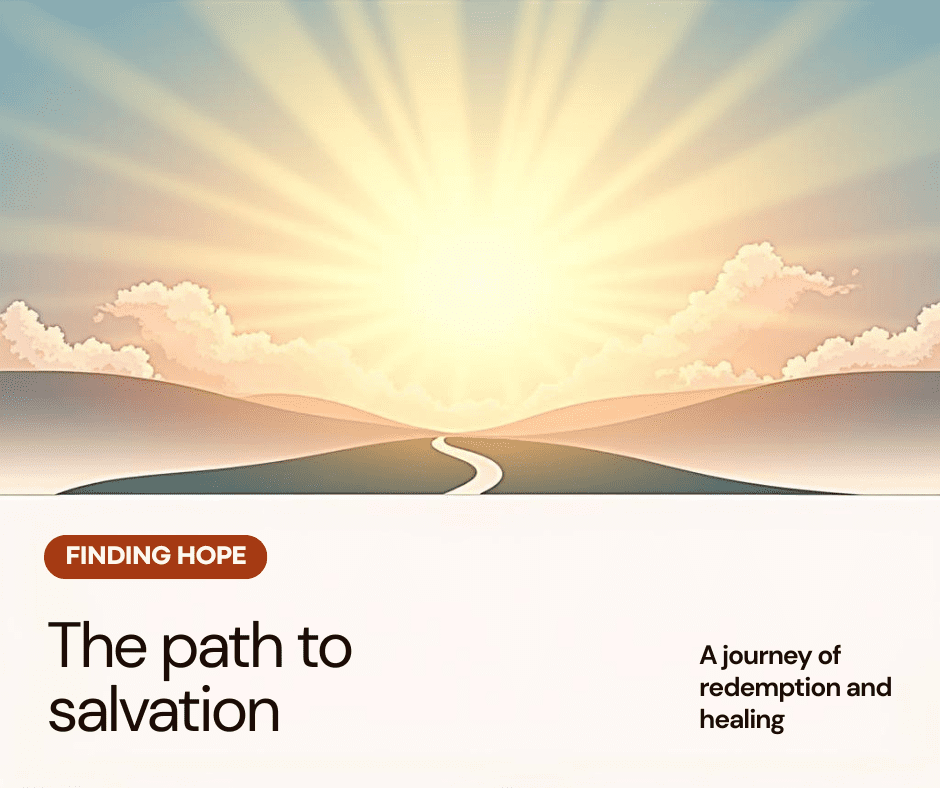
Redemption is God’s gracious rescue of sinners through faith in Jesus Christ.
God forgives.
> God restores.
> God transforms.
That is biblical salvation.